Ragdoll vs. Siberian: How to Tell Them Apart
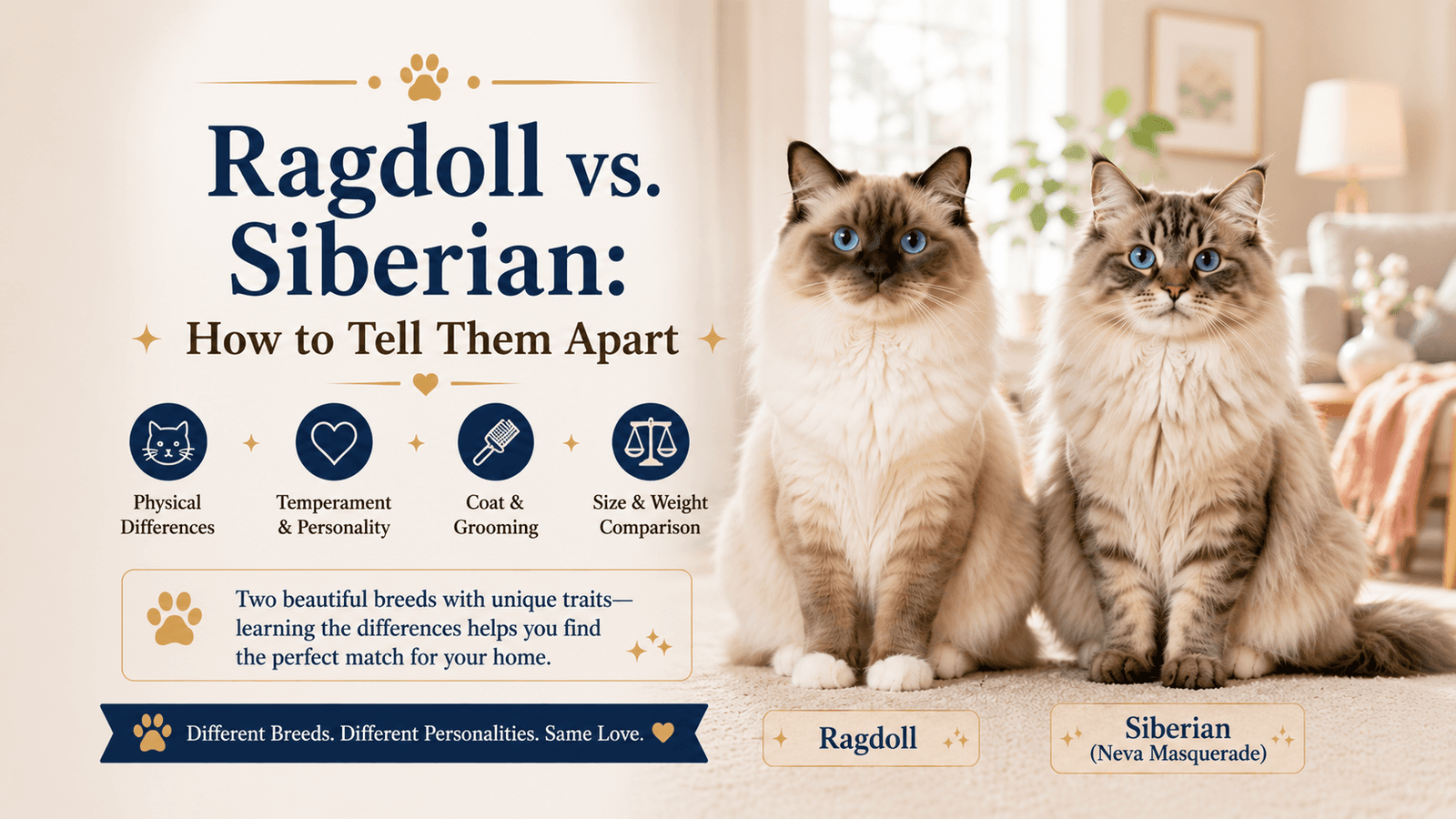
Here’s a comparison that trips up even experienced cat people — sometimes in person, at shows, and in adoption photos. Ragdolls and Siberians can look remarkably alike: both are big, both are gloriously fluffy, and one particular type of Siberian is so Ragdoll-like that a quick glance genuinely isn’t enough. As Ragdoll breeders, we love this question, so let’s break down exactly how to tell these two beautiful breeds apart.
Why the Confusion? Meet the Neva Masquerade
Most of the mix-ups come down to one thing: the Neva Masquerade, which is the colorpoint variety of the Siberian. While a typical Siberian comes in all sorts of colors and patterns with green or gold eyes, the Neva Masquerade has the same pointed coloring and blue eyes that define a Ragdoll. Put a fluffy, blue-eyed, seal-pointed Neva Masquerade next to a Ragdoll and even seasoned breeders do a double-take. So if eye color and points aren’t reliable on their own, what is? The coat, the build, and the temperament.
Quick Comparison

| Trait | Ragdoll | Siberian |
|---|---|---|
| Size | Large (10–20 lb) | Medium-large (8–17 lb) |
| Build | Long, heavy-boned, soft, floppy | Muscular, athletic, powerful |
| Coat | Silky, plush, minimal undercoat | Dense triple coat, water-resistant |
| Eyes | Always blue | Green or gold (blue in Neva Masquerade) |
| Pattern | Always colorpoint | Any color/pattern (pointed in Neva Masquerade) |
| Temperament | Calm, floppy, lap-loving | Active, agile, playful |
| Origin | Developed in 1960s California | Ancient natural breed from Russia |
Size and Build
Both are substantial cats, but they’re built differently. Ragdolls tend to be a touch larger and heavier overall — males commonly hit 15 to 20 pounds — with long, heavy-boned, softly rounded bodies that feel as relaxed as they look. Siberians (males roughly 12 to 17 pounds) are more compact and athletic: barrel-chested, powerfully muscled, and built like the rugged forest cat they descend from. Pick each up and you’ll feel it — the Ragdoll goes loose and floppy in your arms, while the Siberian feels like a coiled spring of muscle.
The Coat: Your Best Clue
This is the single most reliable tell. The Siberian has a dense triple coat — guard hairs, awn hairs, and a thick downy undercoat — that’s water-resistant and built to survive brutal Russian winters. It feels fuller and slightly coarser, and it sheds heavily during seasonal “coat blows.”
The Ragdoll coat is the opposite philosophy: silky, plush, and rabbit-soft, with very little undercoat. It glides through your fingers, mats less, and sheds more modestly. If you run your hand through the fur and it feels dense and weather-resistant, you’re likely petting a Siberian; if it feels like soft silk with little bulk underneath, that’s a Ragdoll.
Eyes and Color
Eye color usually settles it — unless you’re looking at a Neva Masquerade. Ragdolls always have blue eyes. Standard Siberians have green or gold eyes, so a green-eyed fluffy cat is never a Ragdoll. But the pointed Neva Masquerade Siberian does have blue eyes, which is exactly why it’s the great impostor. When the eyes match, fall back on coat texture and body type.
Temperament
Here the two breeds part ways clearly. Ragdolls are famously mellow — they go limp when held, prefer to stay at your level rather than scale the bookshelves, and treat your lap as their permanent address. They’re gentle, quiet, and endlessly affectionate in a low-key way.
Siberians are more active and acrobatic. They’re agile, powerful jumpers who love to climb, explore, play, and even splash in water. They’re affectionate and people-oriented too — often called dog-like — but with a busier, more adventurous streak. If the cat is launching to the top of the fridge, that’s a strong vote for Siberian. If it’s puddled on the couch waiting for a belly rub, lean Ragdoll.
Grooming
That gorgeous triple coat comes at a price: Siberians generally need more regular grooming, especially during their heavy seasonal sheds, to prevent mats and manage the volume of fur. The Ragdoll’s lighter, silkier coat is a bit more forgiving, though both breeds appreciate a couple of brushing sessions a week. You can find the grooming tools we use on our Amazon storefront.
What About Allergies?
One real difference worth mentioning: Siberians have a reputation for producing less Fel d 1, the protein behind most cat allergies, and are often sought out by allergy-prone families. It’s important to be honest here — no cat is truly hypoallergenic, and individual cats vary a lot — but if low-allergen potential is a top priority, the Siberian has an edge over the Ragdoll on that specific front. (Ragdolls, lovely as they are, are not considered hypoallergenic.)
Which One Is Right for You?
Choose a Ragdoll if you want a serene, floppy, deeply affectionate companion who lives for your lap and keeps a calm presence in the home. Choose a Siberian if you’d love a more athletic, playful, adventurous cat — and especially if allergies are a consideration in your household. Both are big-hearted, people-loving breeds; they simply bring different energy.
One thing they share: both are large cats who need large litter boxes. We recommend XXL stainless steel boxes (at least 28″×20″) like this open-top model, which gives either breed room to turn and dig in comfort.
We’re partial to Ragdolls, of course. If their gentle, floppy charm is calling your name, we’d love to talk — reach out by email or text anytime, or browse our adoption application to get started.
As an Amazon Associate and affiliate partner, I earn from qualifying purchases. I only ever recommend the products I use and trust in my own cattery.
Recent Blogs
10/12/2026
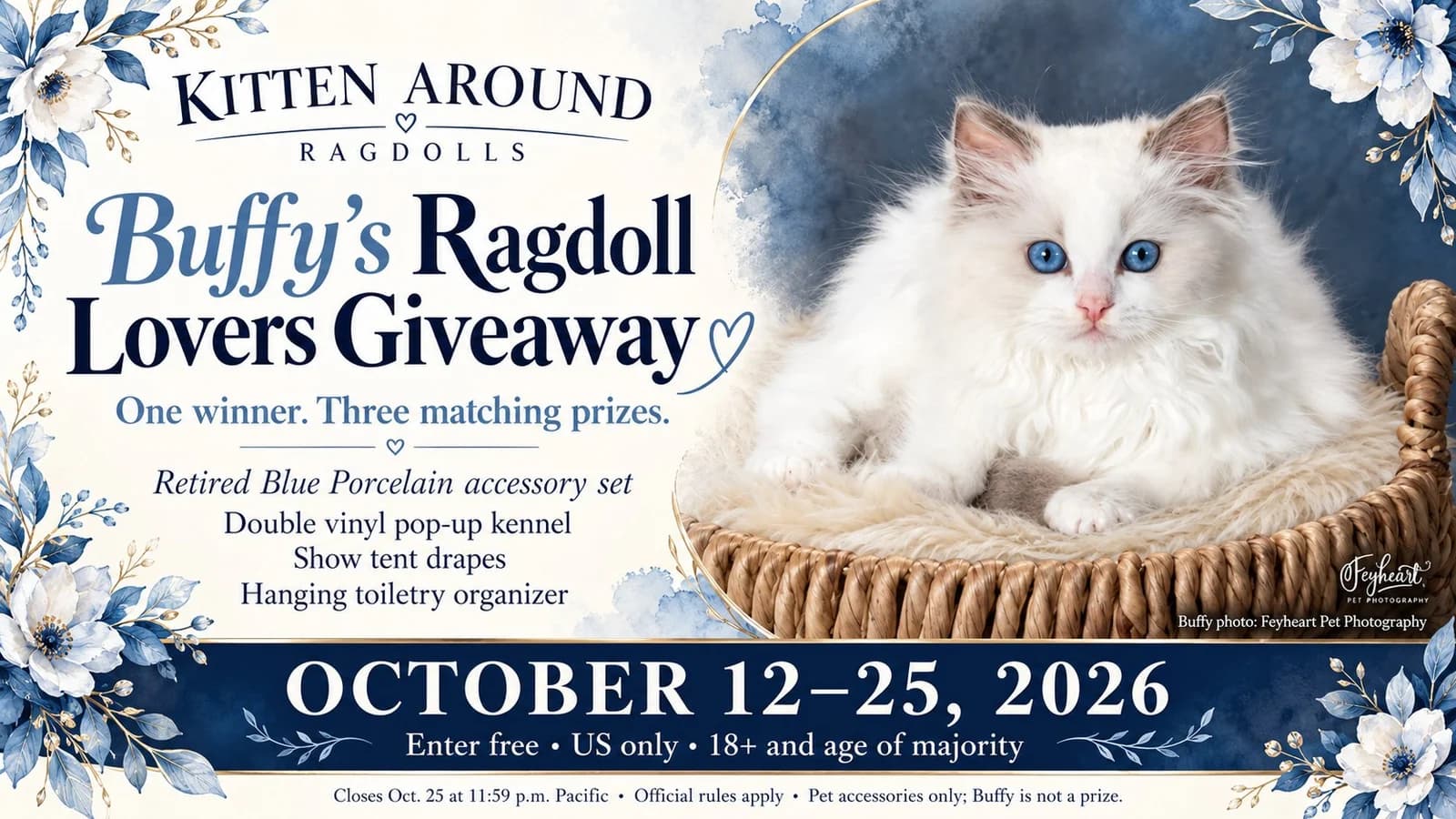
Buffy’s Ragdoll Lovers Giveaway: Win the Matching Blue Porcelain Set
10/10/2026
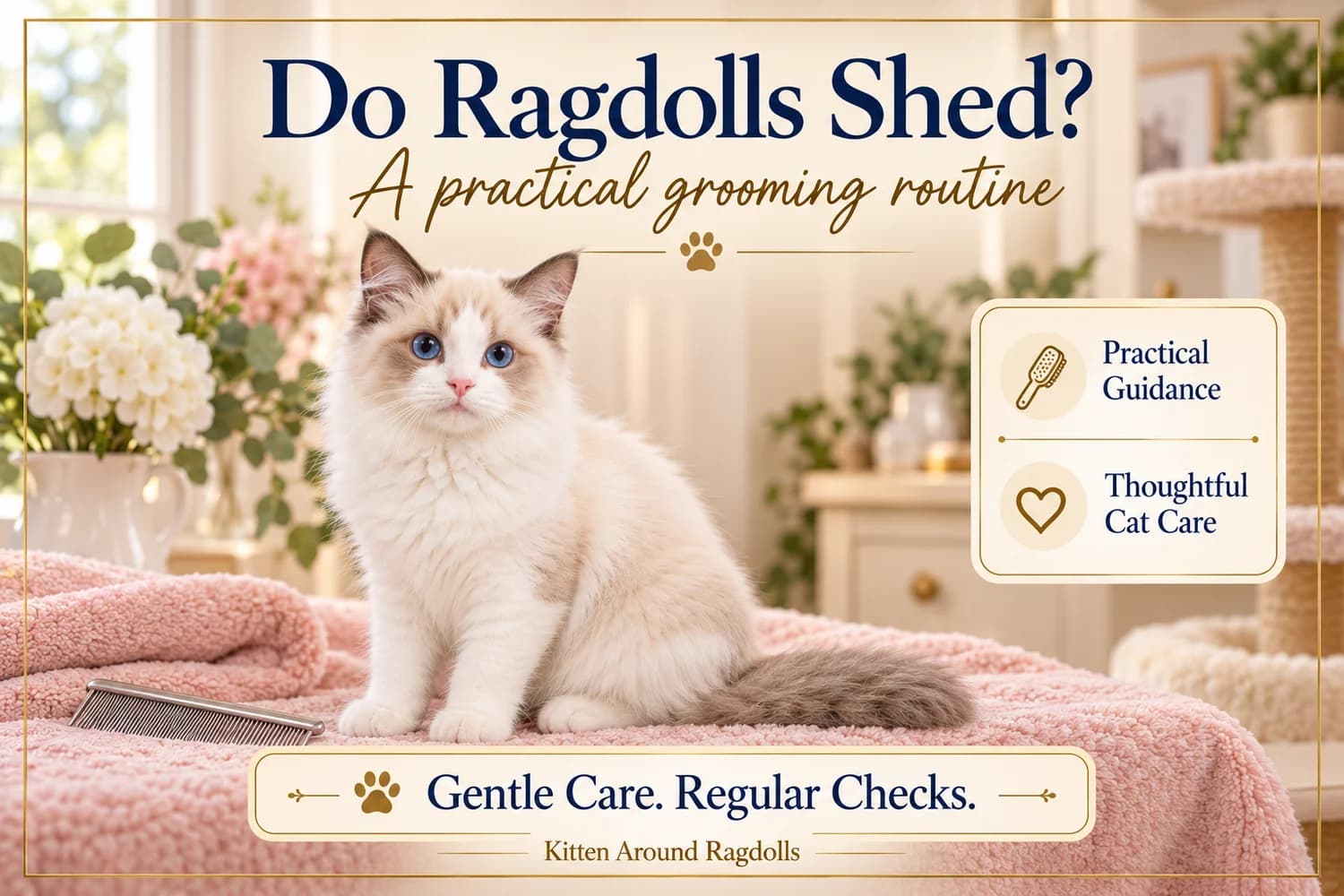
Do Ragdoll Cats Shed? A Grooming Routine That Fits Real Life
10/07/2026
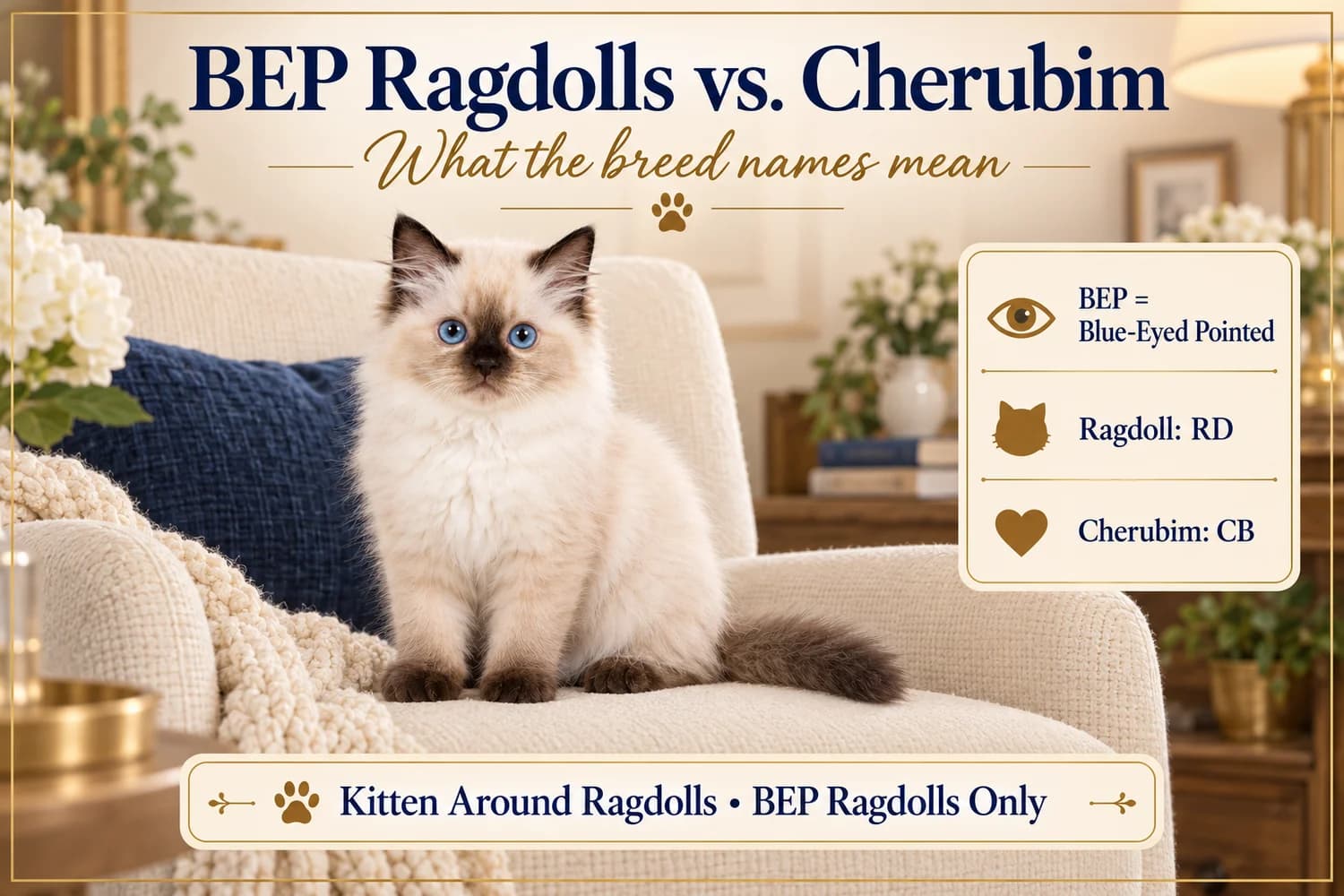
BEP Ragdolls vs. Cherubim: What the Names Mean Before You Buy
09/26/2026
Who You Buy From Matters More Than You Think

09/23/2026
What Ragdoll Health Testing Actually Includes: A Complete Guide
09/21/2026
Why Cheap Ragdoll Kittens Are Actually Expensive: A Breeder’s Warning
Subscribe to our newsletter
Litter announcements, new posts, and the occasional discount — no spam.