Ragdoll vs. Himalayan: Blue Eyes and Points, Different Cats
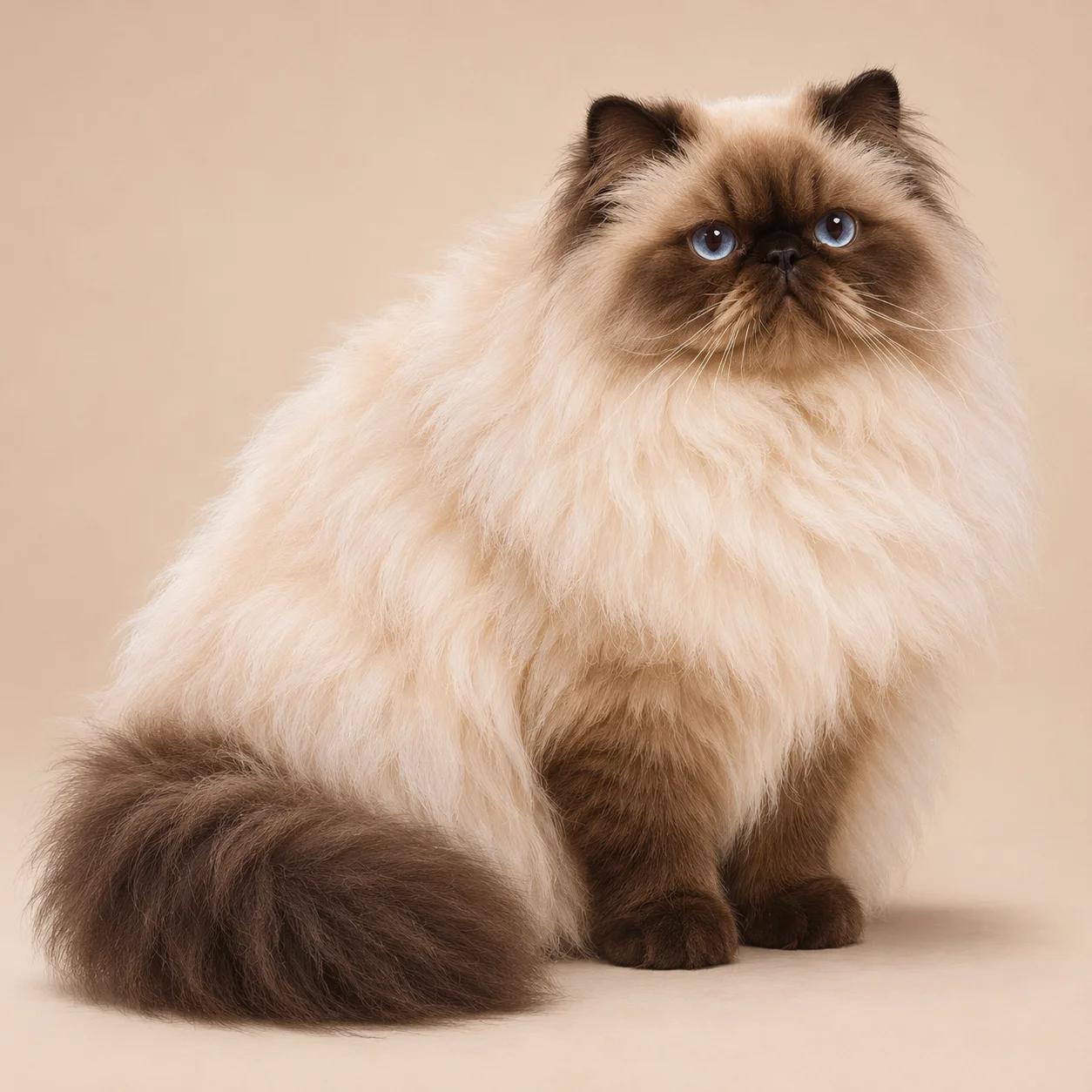
A blue-eyed cat with a pale body and darker face can make you pause: is that a Ragdoll or a Himalayan? The resemblance is understandable, especially in a close-up photograph. Both can have pointed coloring and a soft, full-looking coat, but those shared features do not make them the same breed.
This comparison focuses on the details that photographs can confuse: body shape, face, coat, and the name on the registration paperwork. Those distinctions also lead to practical questions about grooming and everyday care before you choose a companion.
How the Breed Names Work
TICA recognizes the Himalayan within its Persian Breed Group. CFA includes Himalayans as a division of the Persian breed. The terminology differs between registries, but neither describes a Himalayan as a Ragdoll. See TICA’s Himalayan profile and CFA’s Persian profile.
When reading a listing, ask which registry issued the documents and what breed or division appears there. A seller should be able to explain the wording without relying on a photograph or saying the names are interchangeable.
What You May Notice Side by Side
- Eyes and points: Both breeds can show blue eyes and darker color on the face, ears, legs, and tail.
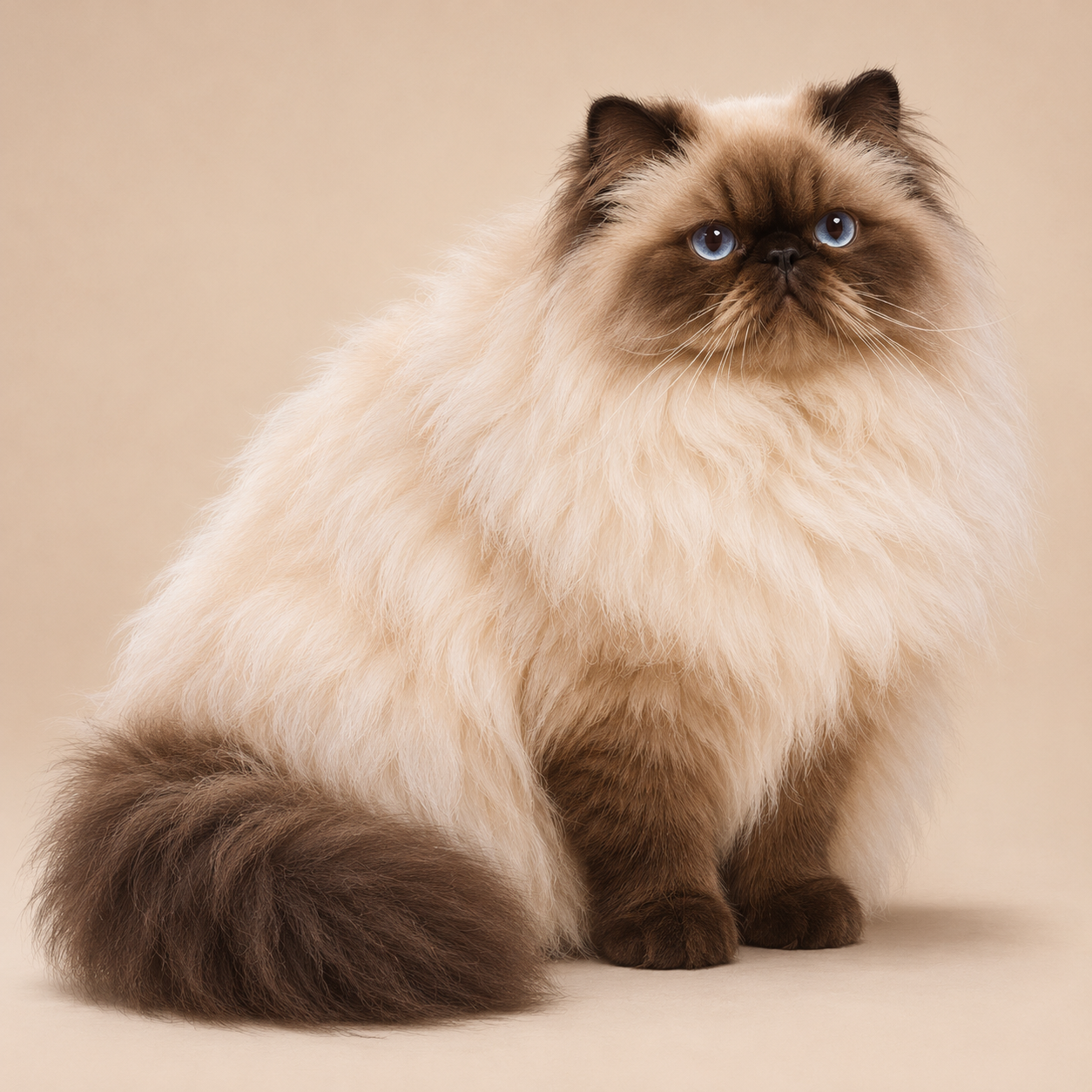
- Himalayan: A compact, heavily boned body, rounded head, short nose, and long, full coat.
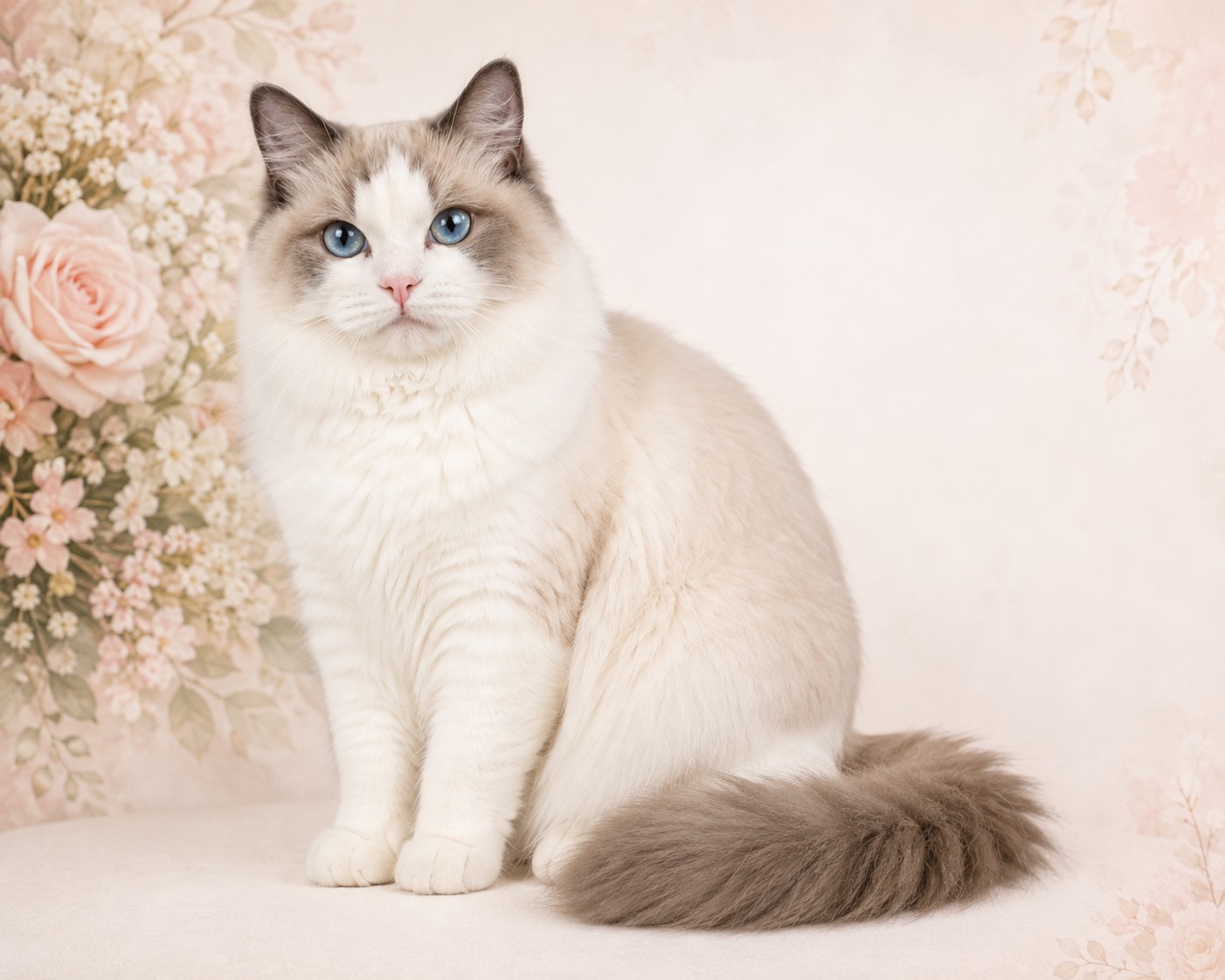
- Ragdoll: A longer, substantial frame, more moderate facial profile, and semi-long coat. Different patterns include different amounts of white.
These broad distinctions come from the Himalayan and Ragdoll breed descriptions. Individual cats vary, and age, camera angle, grooming, and lighting can change how a cat appears.
A comparison picture is helpful for seeing general differences. It cannot establish ancestry, predict adult size, or tell you whether a kitten will enjoy being carried. Ask for documentation and observations to answer those questions.
The Coat Difference Matters at Home
Himalayans need daily coat attention, including combing to prevent tangles. Their facial care may also include careful cleaning around the eyes. Ragdolls need regular combing too, although their routine is generally less intensive. Start with the breeder’s demonstration and adjust to the individual cat’s coat.
Before committing, consider the practical setup. Where will grooming happen? Who can do it comfortably? What help is available if a mat forms or the cat becomes difficult to handle? Those questions are more useful than choosing whichever photograph looks fluffiest.
Grooming should be something you can sustain. Cat Friendly Homes offers guidance on starting a routine, while our Ragdoll grooming article covers the Ragdoll side in more detail.
Ask About Comfort as Well as Appearance
A Himalayan’s short facial structure deserves a practical health conversation. Some short-faced cats experience airway problems. Ask about the individual cat’s breathing and veterinary assessment rather than assuming persistent noisy breathing is simply part of the breed. VCA explains brachycephalic airway syndrome in cats.
Ask a Himalayan breeder about documented screening for polycystic kidney disease, or PKD, which Cornell identifies in Persians and some other breeds, including Himalayans. For Ragdolls, ask about the breed-associated HCM DNA test and cardiac screening. Review what was tested, on which cat, and when. See Cornell’s PKD overview and UC Davis’s Ragdoll HCM test information.
These questions help you assess a breeding program. They do not establish that one breed is universally healthier or guarantee an individual cat’s future health.
Personality Still Belongs to the Individual
Both breeds have affectionate reputations, but a quiet photograph says little about life with a growing kitten. Ask how the kitten responds to visitors, play, brushing, and being approached. Tell the breeder about children, existing pets, and your normal activity level.
Leave room for the cat to choose how to spend time with you. A companion who enjoys sitting beside you may be an excellent match even if the cat does not want to be picked up. Plan gentle introductions and places to retreat when the household is busy.
A Clearer Choice
Choose the breed whose appearance you enjoy and whose care you can realistically provide, then look closely at the individual and the records behind the kitten. Shared blue eyes should be the beginning of the conversation, not the whole decision.
Kitten Around Ragdolls raises blue-eyed pointed Ragdolls in Sacramento, California. We do not breed Himalayans. Our adoption FAQ explains our process for families considering a Ragdoll companion.
Recent Blogs
11/22/2026
How to Contact a Ragdoll Breeder and Get a Helpful Reply
11/21/2026
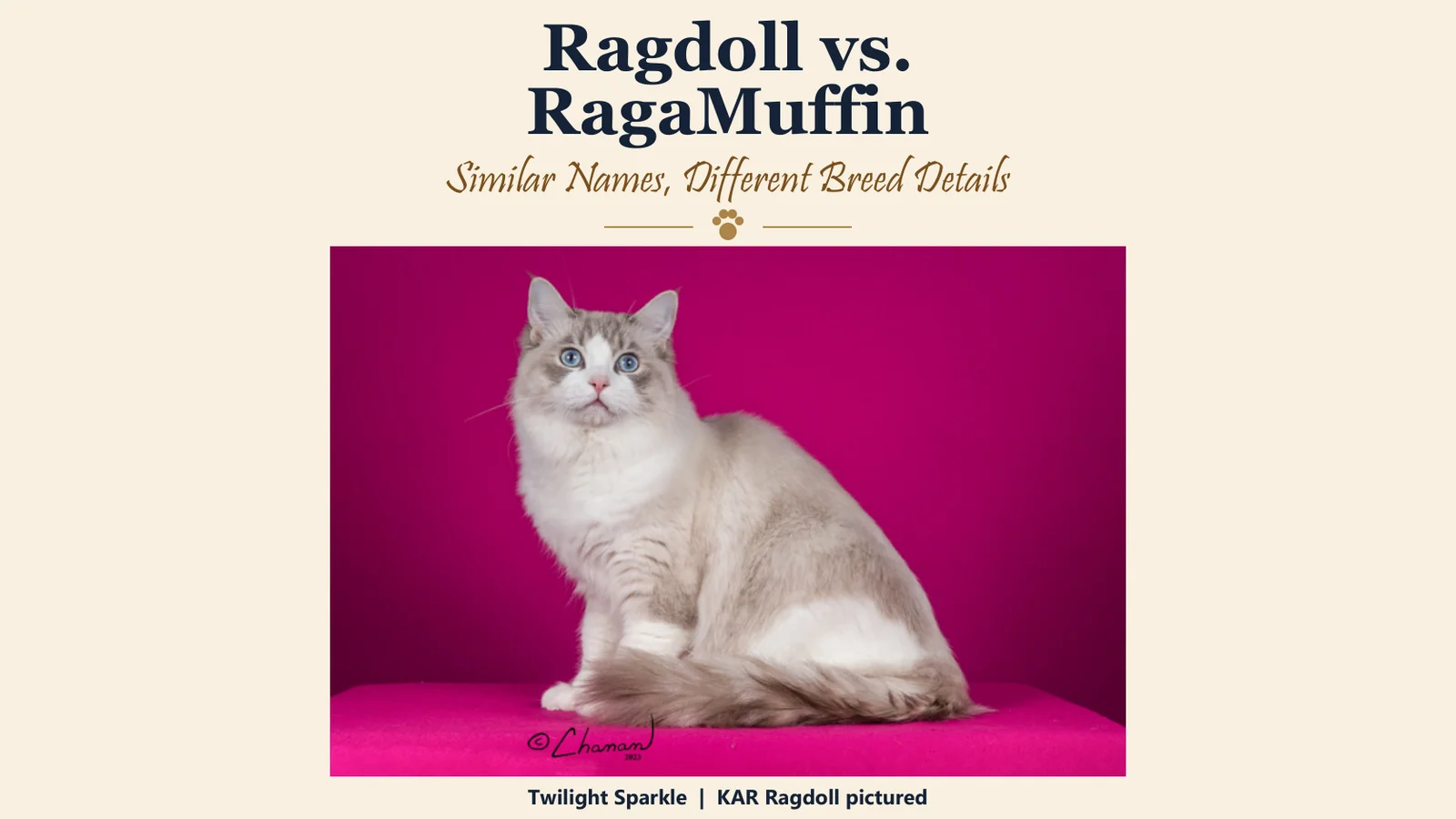
Ragdoll vs. RagaMuffin: Similar Names, Different Breed Details
11/18/2026
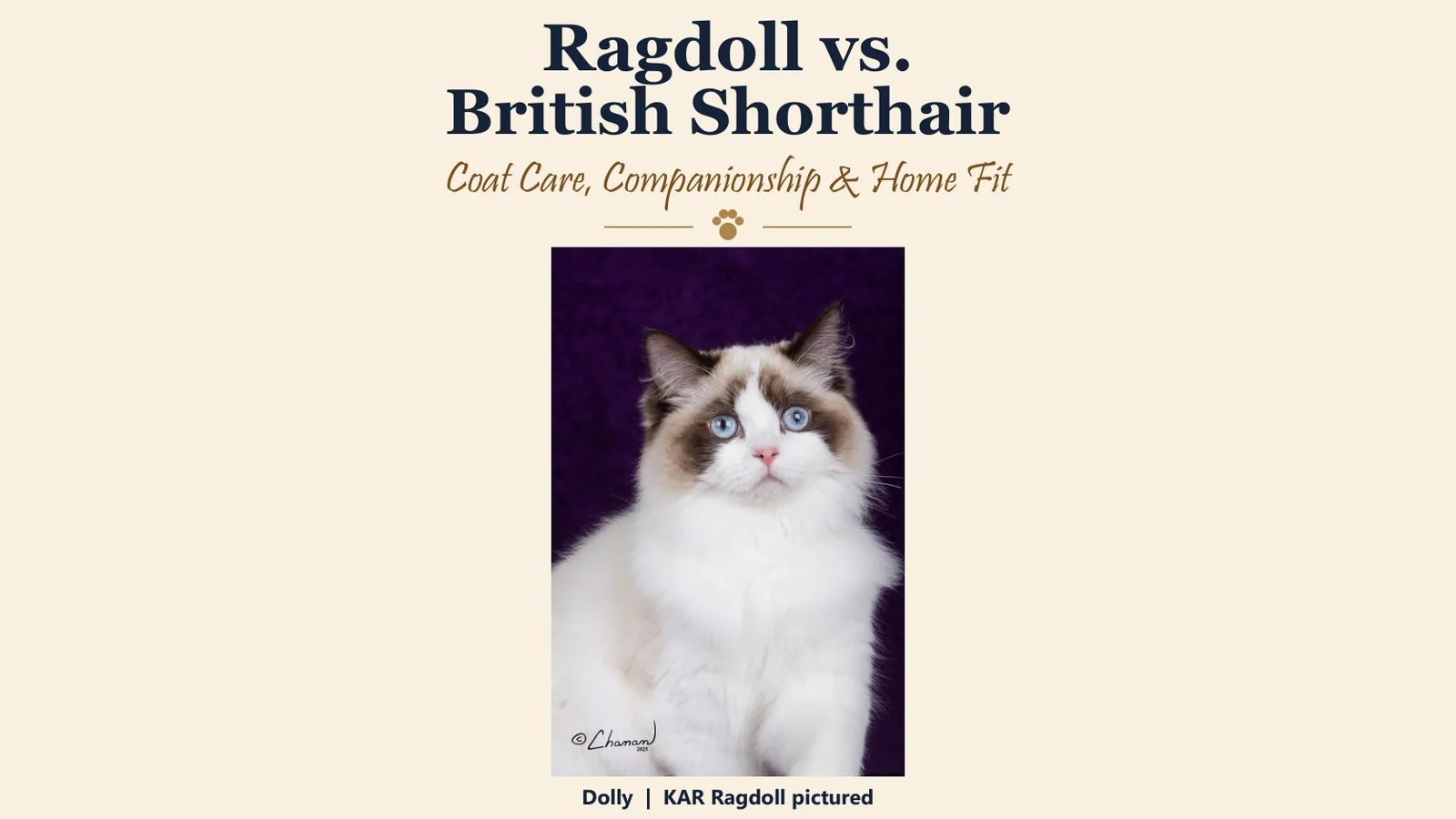
Ragdoll vs. British Shorthair: Coat Care, Companionship, and Home Fit

11/14/2026
Leaving Your Ragdoll at Home for the Holidays: A Pet-Sitter Checklist

11/11/2026
Ragdoll Cat Lifespan: What the Research Says and How to Plan for the Years Ahead
Subscribe to our newsletter
Kitten availability, cattery updates, and new blog posts — sent when we have news to share.