Ragdoll vs. British Shorthair: Coat Care, Companionship, and Home Fit

A Ragdoll and a British Shorthair can both appeal to someone looking for a substantial, affectionate companion. The Ragdoll brings a flowing coat and blue eyes. The British Shorthair has a compact build and a dense, plush coat. Once you have admired the photographs, the useful question is how each cat might fit into your everyday life.
Coat length is an obvious difference. Handling preferences, care routines, and the individual kitten’s personality deserve just as much attention. Neither breed can promise a particular kind of relationship, but a thoughtful comparison can help you ask better questions before reserving a kitten.
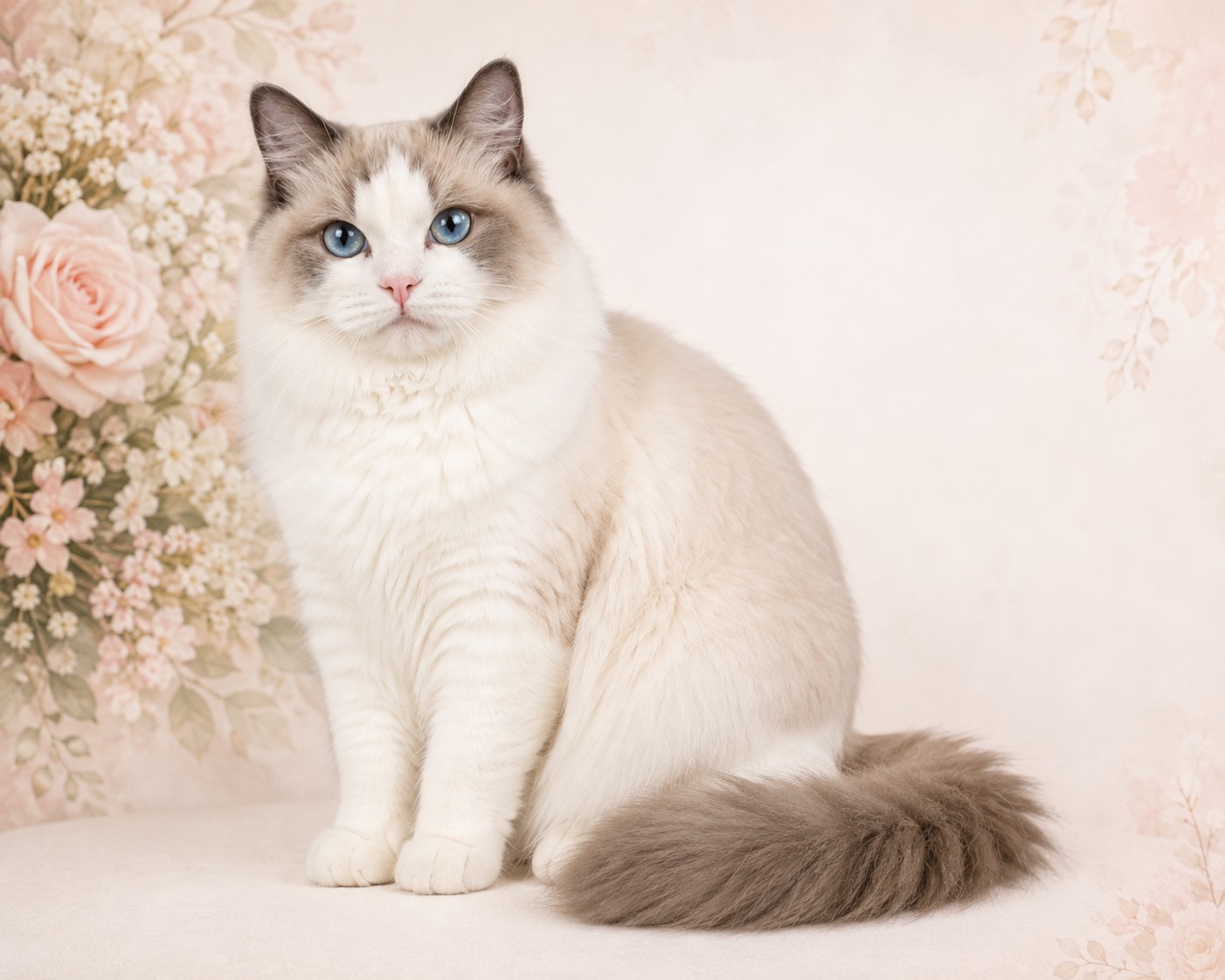
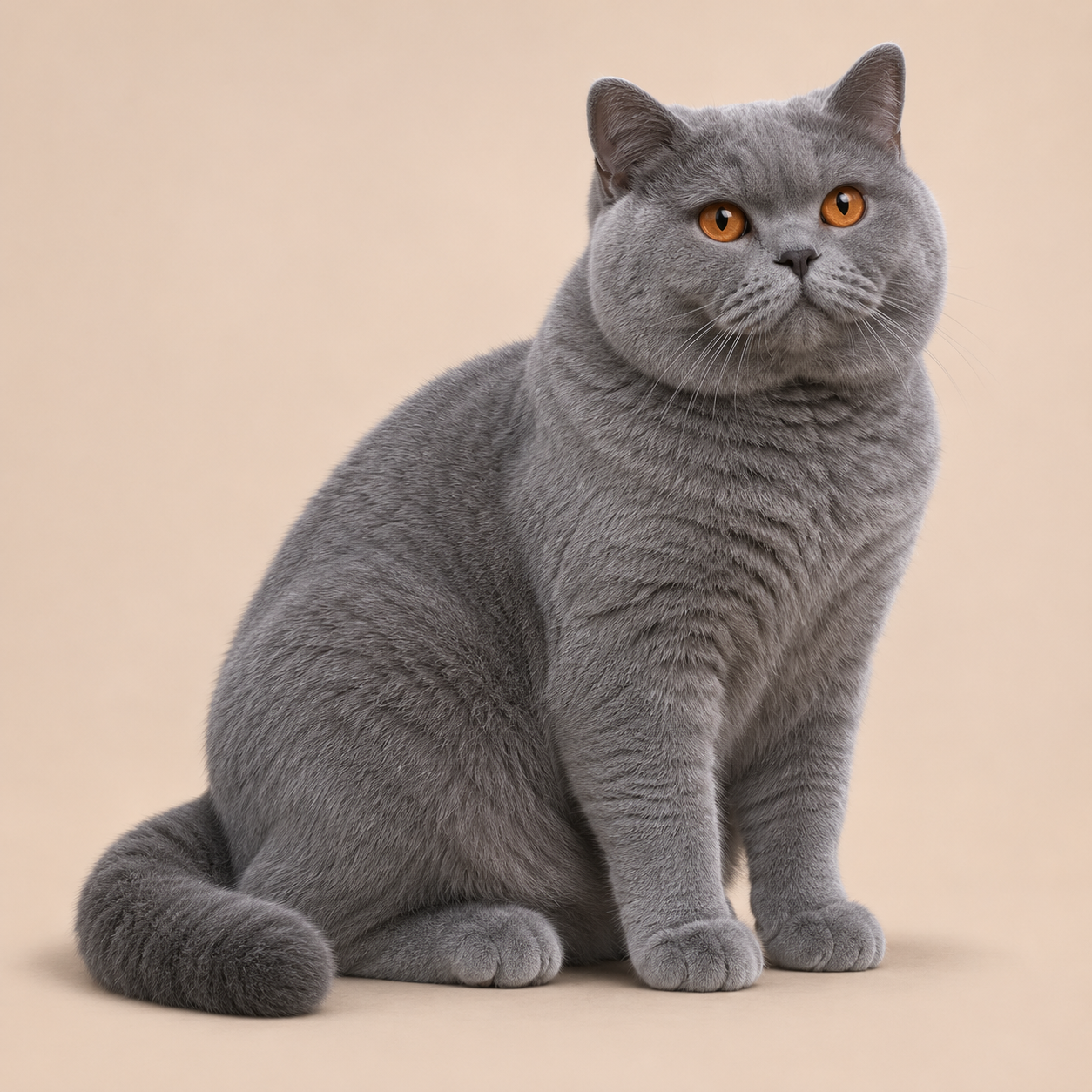
The Main Differences
- Ragdoll: A longer, substantial frame; semi-long coat; blue eyes and pointed coloration.
- British Shorthair: A compact, sturdy body; rounded features; short, dense coat in a range of colors, not only the familiar blue-gray.
- Everyday care: Both need grooming, play, appropriate food, and routine veterinary care. A shorter coat does not make the rest of cat ownership disappear.
The CFA British Shorthair profile and CFA Ragdoll profile describe these general features. They are a starting point for comparison, not proof of an unknown cat’s breed.
Affection Can Look Different
TICA describes British Shorthairs as affectionate companions who may prefer sitting nearby to being carried. Ragdolls are also known for enjoying company. It would be a mistake, though, to turn those descriptions into a rule that one breed never sits on laps or the other always wants to be held. TICA’s British Shorthair profile offers useful context for those tendencies.
Think about what companionship means in your home. Do you hope for a cat who settles near your desk? Are children expecting to pick the cat up? Would you enjoy a companion who chooses the other end of the sofa?
Tell the breeder those specifics. Ask what the kitten repeatedly chooses during ordinary activity, rather than relying on a single photograph of a sleepy kitten in someone’s arms. Make room for preferences to change as the cat grows, too.
Short Hair Still Needs Care
A British Shorthair’s dense coat benefits from regular grooming. CFA suggests once- or twice-weekly attention for this type of plush coat. A Ragdoll’s longer coat also needs regular combing, with frequency adjusted to the individual cat and any tangles. See CFA’s coat-care guidance and our Ragdoll grooming guide.
Ask for a demonstration before go-home. You should know which tool the kitten accepts, how to work gently through the coat, and when to stop and seek help. Short, comfortable sessions are a more useful goal than forcing a cat to endure a long grooming appointment.
If allergies are part of the decision, a British Shorthair’s shorter hair is not a reliable solution. All cats produce allergens. The American College of Allergy, Asthma & Immunology explains why coat length and hypoallergenic labels should not guide that choice on their own.
Plan for the Adult Cat
Look beyond the size of the kitten in front of you. Choose a stable scratching post, a carrier with usable room, and a litter box the adult cat can turn around in comfortably. Ask about the parents’ build, while recognizing that an exact adult weight cannot be promised.
A rounded appearance should not become a reason to encourage excess weight. Discuss body condition and feeding with your veterinarian. For either breed, plan opportunities to move, explore, and play that suit the cat you actually have.
What Health Questions Should You Ask?
Both Ragdolls and British Shorthairs are among the breeds associated with increased risk of hypertrophic cardiomyopathy, or HCM, according to Cornell’s feline cardiomyopathy guidance. That is a reason to discuss a breeder’s screening program, not a prediction that an individual kitten will develop disease.
Request dated reports connected to the actual breeding cats. Ask what each test covers and what it cannot establish. A Ragdoll HCM DNA result concerns a particular breed-associated variant; it does not certify every aspect of heart health. UC Davis describes that test.
Choosing Between Them
Compare the routine you can provide, the temperament you have observed, and the records you can review. Leave room for a cat to show affection without performing a role you chose in advance.
Kitten Around Ragdolls raises blue-eyed pointed Ragdolls in Sacramento, California. We do not breed British Shorthairs. If a Ragdoll fits your plans, our adoption FAQ explains the next steps. A good decision is one that works for both the person and the cat.
Recent Blogs
11/14/2026
Leaving Your Ragdoll at Home for the Holidays: A Pet-Sitter Checklist
11/11/2026
Ragdoll Cat Lifespan: What the Research Says and How to Plan for the Years Ahead
11/07/2026
Persian Cat vs. Ragdoll: Which Companion Fits Your Home?
11/07/2026
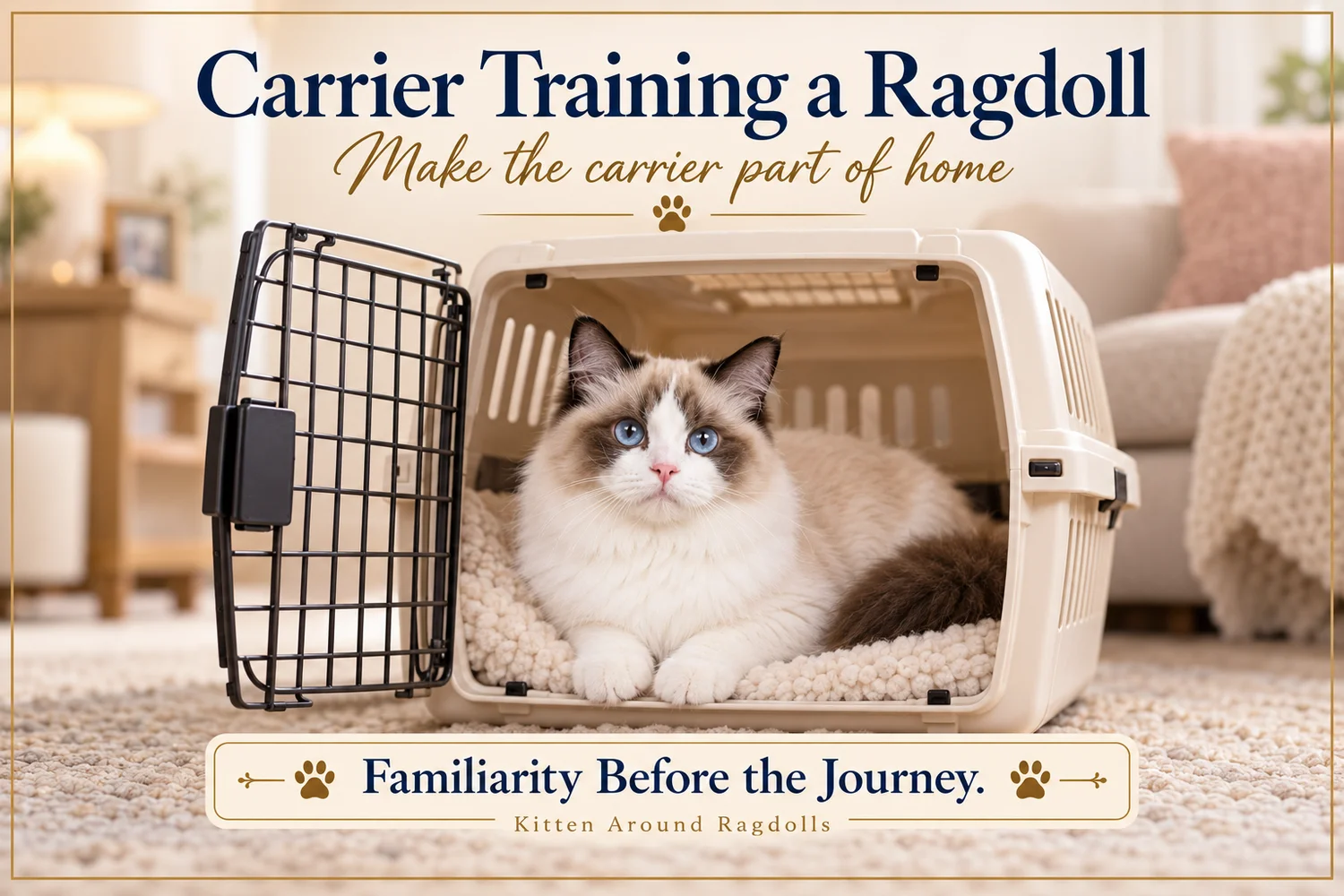
Carrier Training a Ragdoll Cat: Make the Carrier Part of Home
11/04/2026
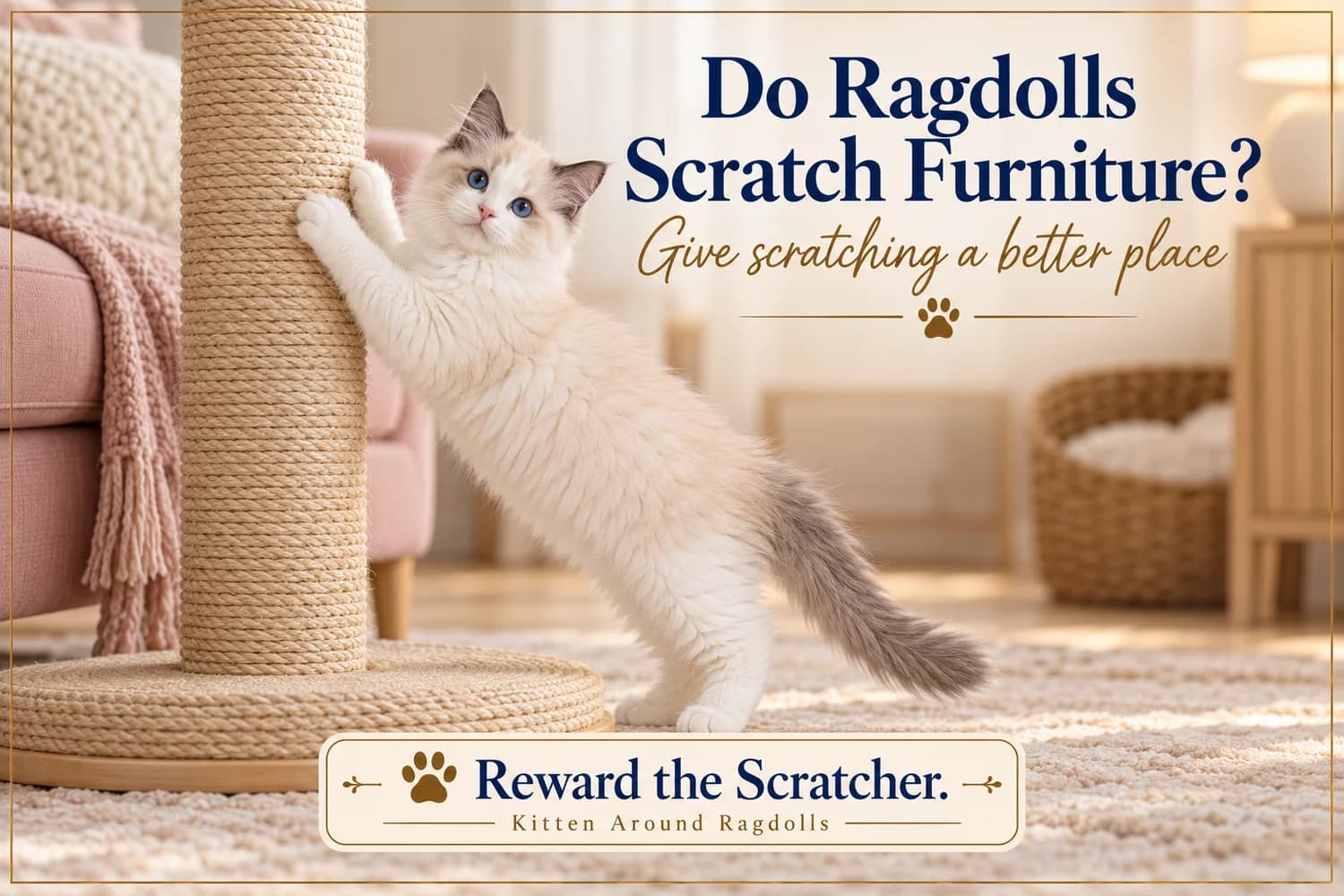
Do Ragdoll Cats Scratch Furniture? Give the Behavior a Better Place to Go
Subscribe to our newsletter
Kitten availability, cattery updates, and new blog posts — sent when we have news to share.