Persian Cat vs. Ragdoll: Which Companion Fits Your Home?

A Persian cat and a Ragdoll can both look like the answer to a very reasonable wish: a beautiful, affectionate cat to share your home. Before choosing between them, though, it helps to picture an ordinary Tuesday. Who is doing the grooming? What does your household sound like? How much time do you have for play, company, and daily care?
The most practical difference is often coat maintenance. Persians typically need daily combing, while a Ragdoll’s semi-long coat generally needs regular combing at least weekly, with more attention when the individual coat requires it. Both breeds deserve a careful match to the home and a breeder who can explain the kitten’s care and health records.
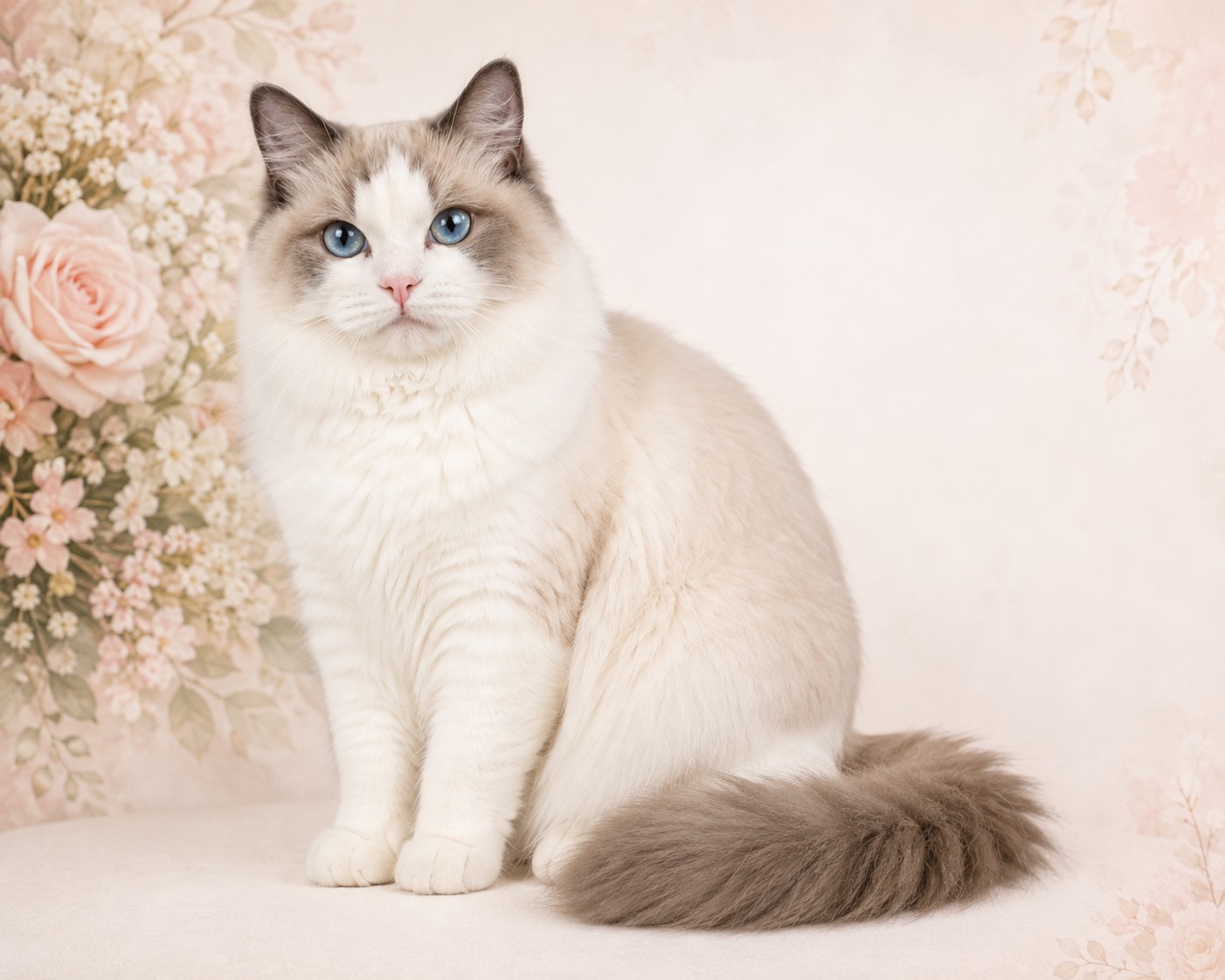
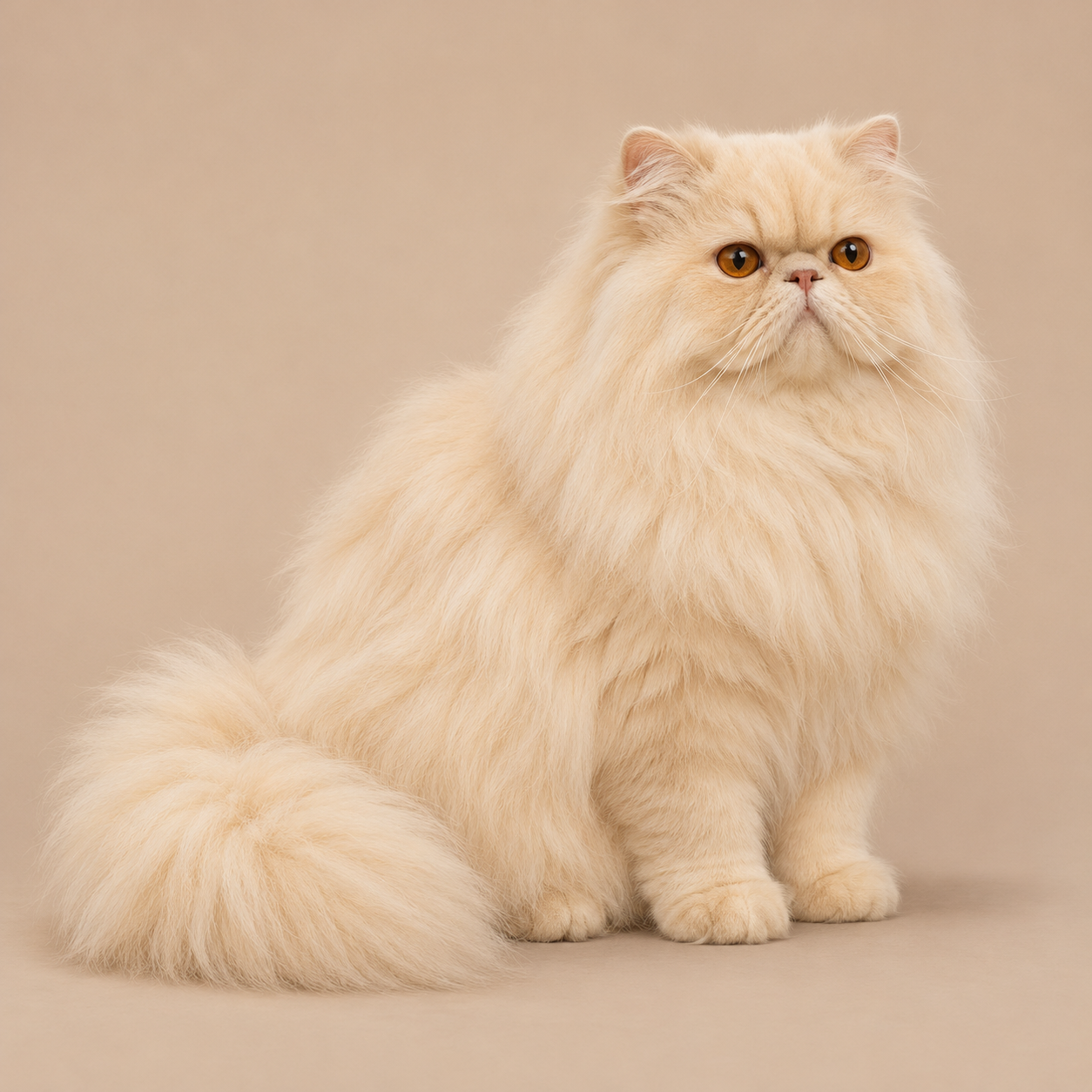
Persian vs. Ragdoll at a Glance
- Build: Persians have a compact, heavily boned body and rounded features. Ragdolls have a longer, substantial frame.
- Coat: Persians have a long, full coat. Ragdolls have a silky, semi-long coat that still needs routine care.
- Grooming: Plan on daily combing for a Persian. For a Ragdoll, start with regular weekly or more frequent sessions and adjust to tangles, shedding, and the cat’s needs.
- Color and eyes: Persians come in many colors and patterns, with eye color varying accordingly. Ragdolls have blue eyes and pointed coloration, with different amounts of white depending on pattern.
- Personality: Both breeds are commonly described as affectionate companions. No breed label promises a particular kitten will love laps, being carried, children, or another pet.
These are broad breed descriptions, not a way to identify an unknown cat from a photograph. See the CFA Persian profile and TICA Ragdoll profile for the underlying breed information.
Grooming Is a Daily-Life Decision
The Persian’s flowing coat is a real commitment. TICA recommends daily combing to keep loose hair and tangles from building up. Some Persians also need regular attention around their eyes. Ask the breeder to demonstrate the routine the kitten already knows, including appropriate tools and gentle handling. TICA’s Persian care guidance explains why coat texture matters.
A Ragdoll is not maintenance-free. Check through the coat rather than brushing only the surface, and pay attention to areas where tangles develop. A cat who needs more frequent grooming should get it, whatever a general breed guide says. Our Ragdoll shedding and grooming guide can help you plan a manageable routine.
Before reserving either breed, decide who will provide that care and what happens during travel or a busy week. If grooming is physically difficult for someone in the household, discuss a workable setup and professional support in advance.
Temperament: Meet the Cat Behind the Description
Persians are often described as mellow and gentle. Ragdolls are known for enjoying human company, but kittens and young adults can still be lively and playful. Those tendencies are useful starting points, not guarantees about how a particular cat will behave.
Ask questions that describe the life you actually want to share: Does this kitten settle beside people? How does the kitten respond to brushing? What happens when a visitor arrives? Has the kitten been introduced to the kinds of sounds and activity common in your home?
For families with children or other animals, plan supervision, gradual introductions, and places where the cat can rest undisturbed. Being affectionate does not mean a cat should have to tolerate unwanted handling. A good match leaves room for the cat’s preferences as well as yours.
Compare Health Records, Not “Healthiest Breed” Rankings
Neither breed comes with a promise of lifelong good health. Ask which conditions the breeding program screens for, which cats were tested, when testing happened, and what the actual reports show.
For Persians: Polycystic kidney disease, or PKD, is an inherited condition particularly associated with the breed. Ask about documented PKD screening and discuss the results with your veterinarian. Cornell’s PKD overview explains the condition.
Short-faced Persians can also have breathing problems related to their facial structure. This does not mean every Persian is affected. Ask about the individual cat’s breathing and veterinary assessment rather than assuming noisy breathing is simply a cute breed trait. VCA’s guide to brachycephalic airway syndrome in cats describes the concern.
For Ragdolls: Ask about the breed-associated HCM DNA test and cardiac screening. The DNA test checks a particular variant linked to hypertrophic cardiomyopathy; it is not a guarantee against all heart disease. UC Davis explains the Ragdoll HCM test. HCM can occur in both Persians and Ragdolls, among other breeds, as described by Cornell’s cardiomyopathy guidance.
Our guide to reading a breeder’s health-testing documentation offers questions to take into that conversation. Screening helps inform decisions; it does not remove the need for ongoing veterinary care.
What About Allergies?
Neither a Persian nor a Ragdoll should be chosen on a promise of being hypoallergenic. All cats produce allergens, and hair length is not a reliable way to predict your reaction. If allergies are part of your decision, speak with an allergist before committing. The American College of Allergy, Asthma & Immunology explains why an allergy-free breed is not a dependable claim.
Is a Himalayan the Same as a Ragdoll?
No. A Himalayan’s pointed coat and blue eyes can create a superficial resemblance, but it belongs to the Persian breed family. CFA includes Himalayans within its Persian divisions, while TICA recognizes the Himalayan within its Persian Breed Group. A Ragdoll is a different breed. TICA’s Himalayan profile describes the distinction.
Choosing Your Companion
A Persian may appeal to you if you love the breed’s rounded appearance and can comfortably provide daily coat care. A Ragdoll may appeal if you prefer its build, pointed coat, and generally less intensive grooming needs. In either case, weigh the individual cat’s temperament, documented care, and your realistic routine.
At Kitten Around Ragdolls, we raise blue-eyed pointed Ragdolls in Sacramento, California. We do not breed Persians. If you are exploring Ragdoll kittens, our adoption FAQ explains our process, and our companion kitten page is the place to check current information.
Whichever breed you choose, the goal is a comfortable, well-cared-for cat and a home ready for the everyday work of loving one.
Recent Blogs
11/07/2026
Carrier Training a Ragdoll Cat: Make the Carrier Part of Home
11/04/2026
Do Ragdoll Cats Scratch Furniture? Give the Behavior a Better Place to Go
11/02/2026
Bringing a Ragdoll Kitten Home to Oregon: A Pickup and Paperwork Checklist

10/31/2026
Are Ragdolls Good Apartment Cats? Build a Home That Works for a Cat
10/30/2026
Ragdoll Kittens for Washington Families: What to Check Before You Book a Trip
Subscribe to our newsletter
Kitten availability, cattery updates, and new blog posts — sent when we have news to share.